
Travertine Slabs & Tiles in Melbourne
Discover Marella’s collection of natural Travertine, celebrated for its warm earthy tones, organic textures and distinctive character.
Explore Travertine slabs, tiles and pavers for architectural and interior projects. Browse individual stone collections, view available finishes and photographs, and enquire about suitable materials for your project.
Travertine Slabs (In Stock & Arriving Soon)


Travertine Pavers & Tiles

Classic Travertine French Pattern multiple sizes 12mm

Silver Travertine French Pattern multiple sizes 12mm

Classic Travertine Tumbled 610x406x30mm

Silver Travertine Filled & Honed 610x305x12mm

Classic Travertine Filled & Honed 610x305x12mm

Silver Travertine Tumbled 610x406x30mm

Classic Travertine Brick Pattern Cobble Tumbled 203x100x30mm

Travertine Coping Types

Travertine Coping Bullnose

Travertine Bullnose Coping
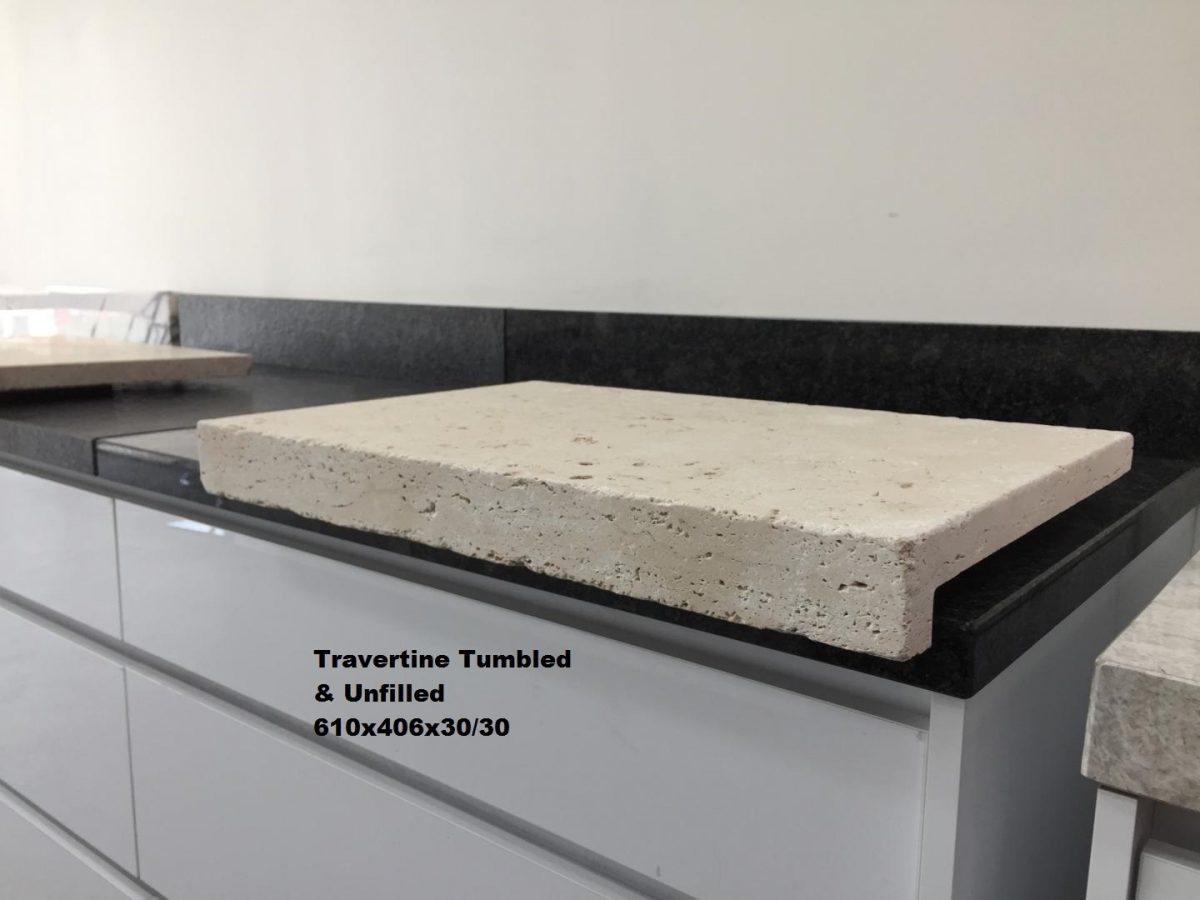
Travertine Coping Tumbled & Unfilled

Silver Travertine 610x406x30mm

Silver Travertine French Pattern
Where Can Travertine Be Used?
Travertine is a timeless natural stone, admired for its warm earthy tones, organic textures and distinctive surface character. Its understated elegance makes it a versatile choice for contemporary residences, architectural spaces and outdoor landscapes.
At Marella Granite & Marble, we offer a curated selection of natural Travertine slabs, tiles and pavers for projects across Melbourne. From statement feature walls to beautifully considered flooring and outdoor living spaces, Travertine introduces warmth, depth and a connection to nature.
Interior Applications
Travertine can bring a refined, natural aesthetic to interior environments, including:
- Feature walls and architectural wall cladding
- Residential flooring and living spaces
- Bathroom walls and selected wet-area applications
- Fireplace surrounds and decorative stone features
- Custom stone elements and joinery applications
Exterior Applications
Suitable Travertine products can also be specified for:
- Outdoor terraces and courtyards
- Garden pathways and landscape paving
- Alfresco entertaining areas
- Pool surrounds and coping, subject to product suitability
- Exterior architectural wall cladding
Whether selecting large-format Travertine slabs or individual tiles and pavers, the stone’s finish, thickness, installation requirements and intended environment should be carefully considered.
Benefits of Choosing Natural Travertine
Travertine brings together natural beauty, architectural versatility and enduring material character. Formed through natural mineral deposition, this limestone-based stone is recognised for its organic pores, layered movement and subtle variations in tone.
From contemporary minimalist interiors to Mediterranean-inspired outdoor spaces, Travertine offers a timeless aesthetic that complements a wide range of architectural styles.
Appearance – Naturally Distinctive
One of Travertine’s defining qualities is its unmistakable visual character.
Its palette commonly includes ivory, beige, cream, silver, taupe and earthy brown tones, often accompanied by delicate linear movement, natural cavities and soft tonal transitions.
Depending on how the stone is cut, Travertine may reveal pronounced linear veining or a more cloud-like, organic pattern.
No two slabs are exactly alike, allowing architects, interior designers and homeowners to introduce individuality and natural texture into their projects.
Versatility – From Slabs to Architectural Paving
Travertine can be supplied in different formats and surface treatments, making it suitable for a broad range of design applications.
Travertine Slabs
Large-format Travertine slabs create opportunities for feature walls, architectural cladding and custom stone applications. Their natural movement can become an integral part of the overall design.
Travertine Tiles
Travertine tiles bring warmth and material consistency to floors, walls and interior spaces. Different dimensions, layouts and surface treatments allow the stone to adapt to a variety of design requirements.
Travertine Pavers
Selected Travertine pavers can enhance outdoor landscapes, terraces, courtyards and pathways. The combination of natural colour and texture makes Travertine an attractive option for connecting interior and exterior spaces.
Marella can assist clients in reviewing suitable options according to the required application, dimensions and finish.
Value – An Enduring Architectural Material
Natural Travertine offers lasting aesthetic appeal, making it a considered material choice for residential and commercial design.
Its neutral colour palette can complement timber, concrete, metal and other architectural finishes without overwhelming a space.
The cost of Travertine varies depending on its origin, quality, format, thickness, finish and availability. Choosing the appropriate material for each application helps achieve a balance between design intent, performance and project budget.
Durability – Selecting the Right Travertine
Travertine has been used in architecture for centuries, but its suitability depends on the specific stone, its surface treatment and the environment in which it is installed.
As a calcium-carbonate-based natural stone, Travertine is generally softer and more porous than granite or quartzite. It can be susceptible to staining, scratching, surface wear and acid etching.
For flooring, outdoor paving and wet areas, factors such as slip resistance, moisture exposure, surface finish, drainage and installation conditions must be assessed before selection.
With appropriate specification, professional installation and ongoing maintenance, Travertine can provide a beautiful and enduring architectural finish.
Ease of Maintenance – Caring for Natural Travertine
Maintaining Travertine requires regular cleaning and the use of stone-compatible products.
For everyday care:
- Clean with a soft cloth or mop and a pH-neutral cleaner suitable for natural stone.
- Remove spills promptly, particularly oils, wine, citrus and other acidic substances.
- Avoid vinegar, acidic cleaning products, abrasive cleaners and harsh chemicals.
- Use suitable protective mats and take care when moving heavy objects over finished stone.
- Inspect the stone and arrange resealing when recommended by the sealer manufacturer or a qualified stone-care professional.
A compatible penetrating sealer can help reduce moisture and stain absorption. However, sealing does not make Travertine stain-proof or prevent acid etching.
Sealing Treatments and Installation Recommendations for Travertine
Travertine is naturally porous, and its characteristic cavities and mineral composition require careful consideration during fabrication and installation.
To support the long-term appearance and performance of the material, Marella recommends that clients engage qualified stonemasons, tilers and installers experienced in working with natural stone.
1. Material Assessment and Preparation
Before fabrication or installation, inspect the selected Travertine for natural cavities, veining, tonal variation and any characteristics relevant to the intended application.
Confirm the required thickness, finish, edge treatment and installation method.
For flooring and outdoor applications, verify that the chosen product meets the relevant performance and slip-resistance requirements.
2. Adhesives, Filling and Surface Protection
Use installation adhesives, fillers and grouts specifically suitable for the selected natural Travertine and its substrate.
Some adhesives, moisture or installation products can cause discolouration or staining if they are incompatible with the stone.
Where pre-sealing or protection of the reverse face and edges is recommended, the treatment should follow the relevant stone, adhesive and sealer manufacturers’ instructions.
Always test products on a representative sample before proceeding with the full installation.
3. Sealing Travertine
A suitable penetrating sealer is generally recommended to help reduce the absorption of water, oils and other staining substances.
The appropriate sealer and application procedure depend on whether the Travertine is filled or unfilled, the surface finish, the installation environment and the manufacturer’s requirements.
The stone must be prepared and sufficiently dry before treatment. Follow the specified coverage, application method, number of coats and curing time.
Sealing does not eliminate the need for appropriate cleaning or protect the stone from all forms of chemical damage.
4. Installation Considerations
Travertine should be installed by experienced professionals using methods appropriate to the substrate, stone format and project conditions.
Particular attention should be given to:
- Substrate preparation and moisture management
- Compatible adhesives, grout and movement joints
- Drainage and waterproofing in wet or external areas
- Slip-resistance requirements for pedestrian surfaces
- Appropriate protection during and after installation
For external paving and pool surrounds, additional assessment of exposure conditions, drainage, pool-water chemistry and slip resistance may be necessary.
5. Post-Installation Care
After installation, remove construction residues using cleaning products approved for acid-sensitive natural stone.
Where required, apply the final compatible sealing treatment in accordance with the manufacturer’s recommendations.
Avoid acidic grout-haze removers and aggressive cleaning chemicals.
Maintain the surface through appropriate cleaning practices, routine inspection and periodic resealing as needed.
Explore Travertine at Marella Granite & Marble
Discover the natural warmth and character of Travertine through Marella’s collection of slabs, tiles and paving materials.
We welcome architects, interior designers, builders, stonemasons and homeowners to explore our stone selection and discuss the requirements of their projects.
Explore our Travertine collection, enquire about a particular stone, or arrange a showroom viewing with the Marella team.
Product availability, dimensions, finishes and application suitability are subject to confirmation. Technical installation and sealing recommendations should be verified with the relevant manufacturers and qualified installation professionals.